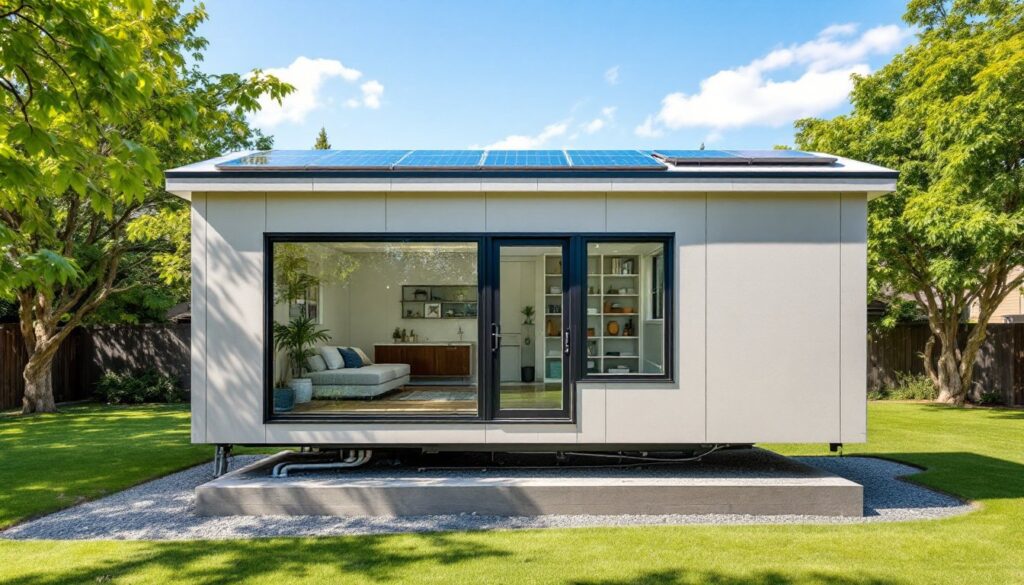

Tiny home pods have emerged as a game-changing alternative to traditional housing, offering homeowners and renters a compact, affordable solution without sacrificing comfort or style. These self-contained dwelling units combine smart design, efficient use of materials, and modern amenities into a footprint that’s often just 200–500 square feet. Whether you’re looking to downsize, create a guest house, or build a rental property on your existing land, tiny home pods deliver flexibility and practicality. In 2026, the market for these modular spaces continues to grow as people prioritize financial freedom, sustainable living, and the ability to live exactly where they choose, not where the housing market dictates.
Table of Contents
ToggleKey Takeaways
- Tiny home pods cost $40,000 to $120,000 fully installed, roughly 40–50% less per square foot than traditional homes while offering legal, affordable alternatives to conventional housing.
- Monthly utility costs for a well-insulated tiny home pod typically run $40–$80, making long-term ownership significantly cheaper than maintaining a larger residence.
- Successful installation requires proper site preparation, utility connections, permits, and inspections—professional contractor involvement ensures compliance with local building codes and zoning restrictions.
- Multi-purpose furniture, vertical storage solutions, and efficient climate control with mini-split heat pumps are essential design elements that maximize comfort and functionality in compact 200–500 square foot spaces.
- Tiny home pods serve multiple purposes: ADUs for aging relatives, rental income properties, or downsizing options, making them flexible solutions for investors, families, and individuals prioritizing financial freedom.
What Are Tiny Home Pods?
Tiny home pods are compact, fully functional living spaces designed to stand alone or integrate into existing properties. Unlike RVs or shipping container conversions, quality pods come pre-built or in modular kits with proper insulation, electrical systems, and structural integrity that meet building codes. A typical unit ranges from 150 to 500 square feet and includes a bedroom, kitchen, bathroom, and living area, everything someone needs for independent living.
These units come in several styles: fixed foundation models that sit permanently on a concrete pad, mobile options with a trailer chassis for flexibility, and modular pods that stack or connect for larger housing communities. Most are built off-site in controlled factory environments, which reduces construction time and waste compared to traditional stick-built homes.
Key Features and Design Elements
Effective tiny home pods rely on smart vertical storage, multi-purpose furniture, and open-plan layouts to maximize usable square footage. Murphy beds, fold-away desks, and integrated shelving are standard. Most pods include vinyl plank flooring or polished concrete, drywall or tongue-and-groove timber ceilings, and LED lighting to keep things bright without excess heat.
Ventilation and insulation are critical. Look for pods with adequate exhaust fans in the bathroom and kitchen, plus proper air sealing around windows and doors. Insulation ratings typically range from R-15 to R-30 in walls depending on climate zone, a significant step up from an RV but not as heavy-duty as a full home in colder regions. Electrical systems include a 200-amp service panel or smaller 100-amp setup depending on appliance load, plus dedicated circuits for heating or cooling units. This is real infrastructure, not an afterthought.
Why Homeowners Are Choosing Tiny Home Pods
The appeal boils down to economics, lifestyle, and practicality. People are drawn to tiny home pods because they offer a legal, dignified way to live smaller while freeing up capital and reducing monthly expenses. Parents use them as ADUs (accessory dwelling units) for aging relatives or adult children. Investors treat them as rental properties that generate steady income without the management overhead of multi-unit buildings.
Cost Savings and Affordability
A finished tiny home pod typically costs $40,000 to $120,000 depending on specifications, location, and whether you’re buying a factory-built unit or assembling a kit. That breaks down to roughly $200–$350 per square foot, well below the $150–$400 per square foot of a traditional build (which varies by region and material choices). Even after site prep, foundation, and utility hookups, most owners invest $50,000–$150,000 total to install a pod.
Monthly operating costs are lean. A well-insulated pod with efficient heat pump systems and LED lighting might cost $40–$80 monthly for utilities in moderate climates, a fraction of what a 2,000-square-foot home demands. Smaller footprint also means lower property taxes in many jurisdictions, reduced insurance premiums, and minimal maintenance compared to a roof and siding spread across 2,000 square feet.
Financing varies. Some banks treat pods as personal property (like an RV) rather than real estate, which changes loan terms and interest rates. Checking with local credit unions and specialized lenders often yields better options than traditional mortgage routes. A growing market means more lenders understand the product, though you’ll need to shop around and have clear documentation of specifications.
Setup and Installation Essentials
Installing a tiny home pod isn’t a DIY project for one person, but it’s far simpler than building a traditional home. The real work happens before the pod arrives: site prep, utilities, and permits.
Start with a level concrete pad or gravel foundation. Most pods require a 4–6 inch concrete slab (depending on soil conditions and frost line depth, check local building codes). If you’re on sloped or soft ground, you may need additional grading or compaction. Hire a foundation contractor: this isn’t guesswork.
Utilities are the next step. You’ll need to run electrical, water, and sewer lines from your home or municipal connections to the pod’s connection points. Electrical typically requires a dedicated 100-amp or 200-amp service from the main panel, a job for a licensed electrician. Water lines need freeze protection if you’re in a cold climate (burying lines below the frost line or using heat tape). Sewer connections vary: septic system hookups, municipal sewer, or composting toilets. All require permits and inspections.
Permits are mandatory. Even though a pod is modular, most jurisdictions require a building permit and final inspections for electrical, plumbing, and structural compliance. Some areas categorize pods as “granny flats” or ADUs with streamlined processes: others treat them like any new dwelling. Check with your local planning department before buying or ordering. Zoning restrictions exist too, some residential areas prohibit additional dwellings on single-family lots, while others welcome them. Know the rules before investing.
Delivery and positioning require a crane or heavy equipment rental, budget $500–$2,000 depending on site access and the pod’s weight (typically 8,000–20,000 pounds). The delivery company usually handles placement, but you’ll coordinate timing and ensure clear access. Once in place and connected, a final inspection clears you to occupy.
Maximizing Space and Comfort in Your Pod
Living in a tiny home pod means rethinking storage and daily routines. Success depends on honest assessment of what you actually need, not what you think you might someday use.
Storage starts with vertical thinking. Wall-mounted shelving, pegboards in the kitchen, and a shallow pantry system eliminate wasted cabinet dead space. Under-bed storage containers, hanging organizers on closet doors, and fold-down tables free up floor area when not in use. Many owners embrace the philosophy behind popular small space living approaches, one-in-one-out discipline so clutter doesn’t accumulate.
Climate control matters more in a small space. A mini-split heat pump (typically 12,000–18,000 BTU) handles heating and cooling without the bulk of window units and eliminates the noise issues that come with them. These are ductless systems that mount on the wall and connect to an exterior compressor, giving you efficient temperature control zone by zone. Ensure adequate insulation and air sealing during installation: any thermal leaks will make comfort expensive. Weatherstripping around doors and windows prevents drafts.
Lighting should include layered options: overhead LED fixtures for general light, task lighting at the kitchen counter, and dimmable bedside lamps to adjust ambiance. Small spaces benefit from bright, neutral-toned walls, white or soft gray primer and finish paint reflects light and makes the pod feel larger. Avoid heavy accent colors on all four walls: use them on a single feature wall instead.
Kitchens in pods typically run 7–8 feet long. Standard cabinetry doesn’t work: instead, look for compact appliances: a 24-inch refrigerator, 20-inch range, and under-counter dishwasher fit neatly and reduce clutter. Vertical backsplash tiles, open shelving above the counter, and a fold-down or pull-out table extend workspace without taking permanent footprint. Kitchen organization strategies from practical home management guides translate directly, labeled containers, hanging pot racks, and drawer dividers keep things accessible and tidy.
Multi-use furniture is standard: a bed with storage drawers underneath, a sofa that converts to guest sleeping space, or a desk that folds into the wall when not needed. Invest in good-quality pieces that fit the space exactly, off-the-shelf items often leave awkward gaps or block windows. Measure twice, order once.
Conclusion
Tiny home pods represent a practical answer to rising housing costs and changing lifestyle priorities. They’re not a trend, they’re a growing category of real estate that works for downsizers, investors, and families expanding their property capabilities. Success requires honest planning, upfront investment in permits and utilities, and willingness to live intentionally. Research local codes, connect with real-world pod owners, and work with contractors who understand the category. Done right, a tiny home pod delivers independence, affordability, and design efficiency that conventional housing simply can’t match.