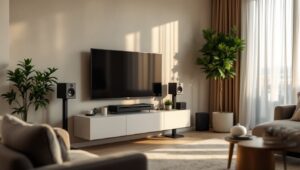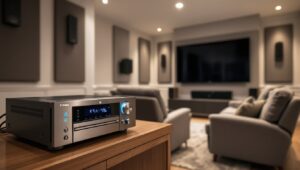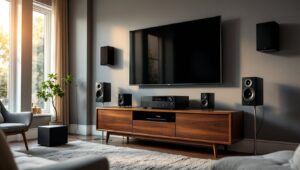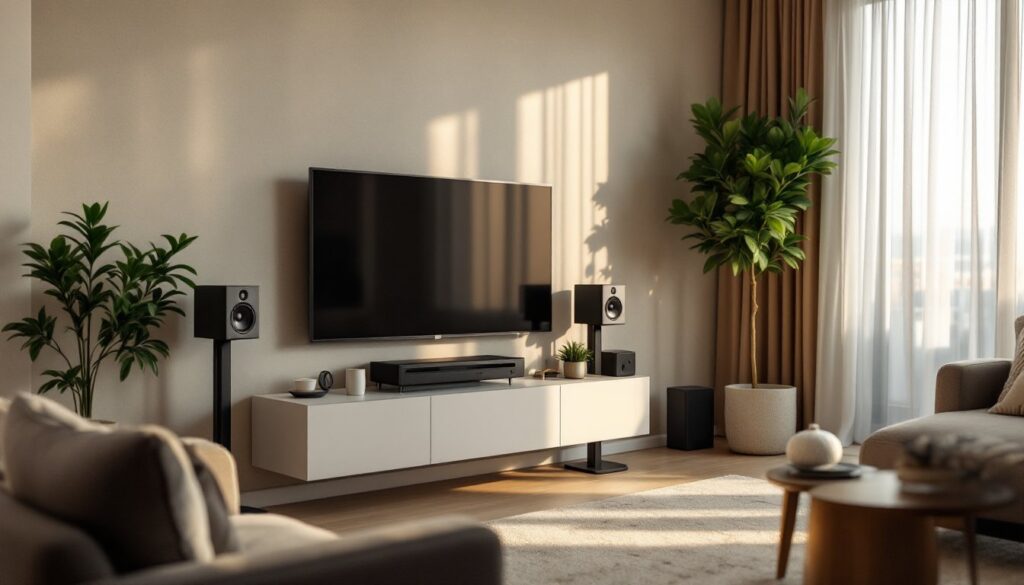

Setting up a home theater doesn’t require a sprawling basement or dedicated media room. Compact spaces, bedrooms, apartments, and smaller living rooms, can absolutely deliver great audio with the right small home theater speakers. The key is understanding what to prioritize: sound quality that fills the space without overwhelming it, speaker designs that fit your footprint, and placement strategies that extract maximum performance from tight quarters. This guide walks you through selecting and positioning compact home theater speakers so you get cinematic sound without the cinematic room size.
Table of Contents
ToggleKey Takeaways
- Small home theater speakers deliver cinematic sound quality without requiring a dedicated media room, thanks to modern engineering that packs serious audio into compact dimensions.
- Compact spaces offer practical advantages including easier bass management, lower amplifier strain, reduced electricity costs, and greater flexibility for furniture arrangement and relocation.
- When selecting small home theater speakers, prioritize frequency response between 40 Hz and 20 kHz, driver quality, sensitivity ratings (87 dB or above preferred), and cabinet design that matches your room size.
- Proper placement is critical: position tweeters at ear level (24–32 inches on stands), keep speakers 12–24 inches from walls to manage bass response, and maintain symmetry for balanced multi-speaker setups.
- Pair your small home theater speaker system with a quality 8–10 inch subwoofer positioned away from corners for tight, even bass, and ensure proper cable management to eliminate visual clutter in tight quarters.
Why Small Home Theater Speakers Are Worth the Investment
Many people assume compact spaces demand a compromise on audio quality. That assumption is wrong. Modern speaker engineering has made it possible to pack serious sound into modest dimensions, and a well-matched small home theater speaker setup often outperforms oversized systems crammed into the wrong space.
Small rooms actually have advantages. Shorter distances mean less power is needed to achieve full volume, reducing the strain on amplifiers and lower electricity bills. Reflections and resonances that plague large rooms are easier to manage in tight spaces, sometimes a simple foam panel or bass trap makes a noticeable difference. Small speakers also force you to choose your gear intentionally rather than defaulting to whatever fits the aesthetic.
Another practical benefit: flexibility. Compact speakers work with modern furniture arrangements, fit on shelves or in corners without dominating the décor, and are much easier to relocate when you redecorate or move. If your small home theater speaker system fails or you need an upgrade, replacing individual components costs far less than overhauling a whole suite of large cabinets.
The real payoff comes when you sit down to watch a movie or listen to music. Quality audio through properly placed compact speakers creates an immersive experience, dialog is clear, sound effects have impact, and you’re drawn into the content rather than distracted by technical limitations.
Key Features to Look for in Compact Home Theater Speakers
Size and Space Efficiency
First, measure your actual available space, not the area you think is available. Measure the shelf, wall, or stand where the speaker will sit, including clearance above and beside it. Small home theater speakers range from bookshelf-sized (roughly 8–12 inches tall) down to micro monitors barely larger than a coffee can.
Material matters in compact designs. Speakers with sealed or ported cabinet enclosures handle bass differently. A sealed box is tighter and more compact: a ported design extends low-frequency response but needs slightly more space for the port opening. In tiny rooms (under 150 square feet), sealed designs often perform better because they minimize muddy bass buildup. For bedrooms or medium apartments, a well-tuned ported system usually delivers more satisfying low-end.
Weight and cable routing are practical details. A speaker that’s compact on paper but weighs 40 pounds won’t survive on a flimsy bookshelf. Similarly, make sure the rear or side connection panel doesn’t jut out so far that you can’t push the speaker close enough to a wall. Some manufacturers offer low-profile connectors specifically for this reason.
Speaker stands versus in-wall or on-shelf mounting changes the game. Free-standing speakers on dedicated stands give you tweeter-ear-level placement and full 360° acoustic performance. Shelf-mounted speakers must account for cabinet reflections off the shelf itself, which can muddy mids. If budget allows, stands are worth the investment for better sound positioning.
Sound Quality and Frequency Response
Frequency response, the range of bass, midrange, and treble a speaker reproduces, is critical. For small home theater speakers, look for a range between 40 Hz and 20 kHz. Most compact designs can’t reproduce ultra-deep bass below 40 Hz without distortion, but that’s exactly what a subwoofer handles (more on that later). Above 20 kHz, human hearing begins to roll off anyway.
But raw specs tell only part of the story. A speaker rated 50 Hz–20 kHz might sound harsh in the treble or thin in the midrange depending on driver quality, crossover design, and cabinet acoustics. Read reviews carefully. The best soundbars for 2026 include compact models with tested frequency response and detailed listening impressions rather than just specification sheets.
Driver size and material affect character. A 4-inch woofer in a compact speaker handles mids and lower-mids differently than a 6-inch, and a silk-dome tweeter typically sounds smoother and less fatiguing than a harder plastic dome in smaller designs. If you listen to a lot of dialog-heavy content (movies, podcasts, audiobooks), prioritize midrange clarity. If you’re into music and games, a speaker with balanced treble and extended bass response matters more.
Sensitivity (measured in dB at 1 meter) is often overlooked. Higher sensitivity (87 dB or above) means the speaker plays louder with the same amplifier power, useful if you’re using a modest receiver or compact amplifier. Lower sensitivity speakers demand beefier amplification to reach the same volume.
Cross-check specs against real-world reviews and, if possible, listen to the speakers in person. The best TV audio upgrades from affordable to premium options include many compact models tested by professionals who measure actual performance.
Speaker Placement Tips for Maximum Impact in Small Rooms
Placement is where amateur setups become professional-sounding ones. Even superb small home theater speakers won’t shine if they’re poorly positioned.
Height and ear level are primary. Ideally, tweeter height should align with ear height when you’re seated. In small rooms, that often means placing speakers on stands at 24–32 inches, or mounting them on a wall at the same vertical plane. This ensures treble reaches your ears without bouncing over your head or reflecting off the floor/ceiling.
Distance from walls affects bass response. A speaker placed too close to a corner or side wall boosts bass through boundary reinforcement (sometimes desirable, often boomy). Pull compact speakers 12–24 inches from walls if your room allows. If space is severely limited, use bass-trapping foam or absorptive panels at the wall behind the speaker to reduce reflections.
Symmetry matters for surround or multi-speaker setups. If you’re using left-right stereo speakers or L/R plus a center channel, maintain similar distances from the primary listening position and similar heights. Asymmetrical placement causes sound to seem to shift or become unbalanced. In a small room, you don’t have much flexibility, but even slight adjustments to angle and distance pay dividends.
For center-channel speakers (vital for movies), place it at or slightly above TV-eye level, centered below or above your display. This anchors dialog and on-screen sound effects to the screen itself rather than floating around the room.
Bass management requires a subwoofer in most small home theater setups. Compact speakers alone rarely deliver satisfying low-end below 50 Hz. A quality subwoofer in the 8–10 inch range (not necessarily compact, but kept out of sight) fills that gap. Position the subwoofer away from room corners initially (corners amplify bass bloat), then move it around during calibration until bass feels even and tight from your seating position. Many rooms benefit from placement along a side wall rather than corner placement.
Earth one final practical point: cable routing and speaker wires matter in small spaces. Run cables behind furniture or in conduit so they don’t visually clutter a tight room. Use quality speaker wire (12-gauge is standard: thicker isn’t necessary for short runs under 20 feet). Poor connections or corroded terminals introduce noise and reduce sound quality, especially noticeable in small rooms where every detail is audible.
Conclusion
Small home theater speakers prove that great audio doesn’t require a dedicated cinema room. By prioritizing quality over size, matching speakers to your space and listening habits, and placing them strategically, compact speaker systems deliver impressive sound in apartments, bedrooms, and other tight quarters. Start with a solid left-right pair, add a small subwoofer for bass, and invest in proper placement and cable management. You’ll spend less money than a sprawling system, take up a fraction of the space, and get audio performance that rivals much larger setups.