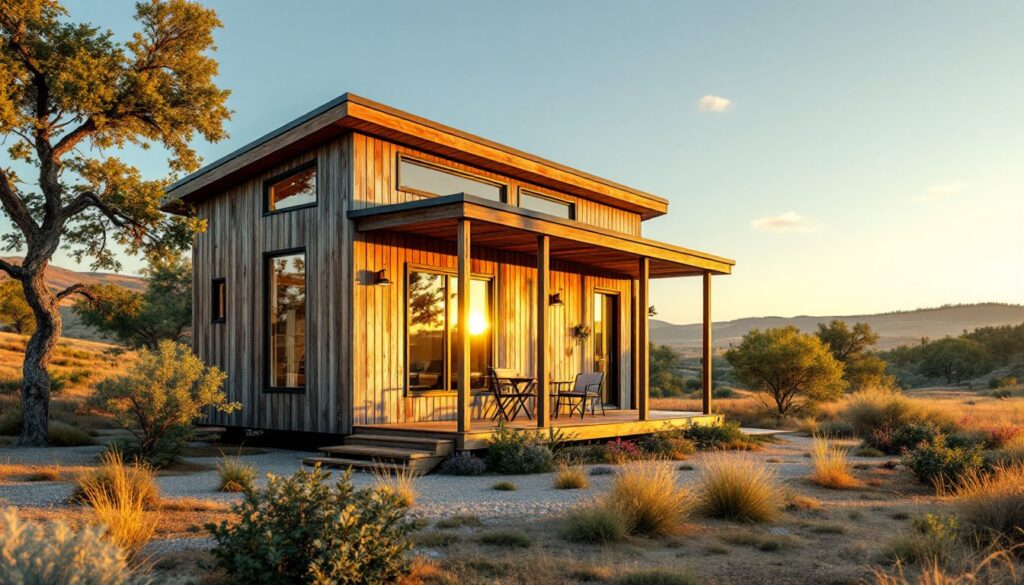

Tiny homes are reshaping how Texans think about homeownership and modern living. With skyrocketing property costs and a shift toward sustainable, efficient lifestyles, tiny home living in Texas has moved beyond novelty into a practical solution for first-time buyers, downsizers, and eco-conscious families. Whether you’re drawn to the financial freedom, reduced maintenance, or minimalist lifestyle, Texas offers unique advantages, affordable land, builder-friendly regulations in many areas, and a growing network of communities designed specifically for tiny home residents. This guide walks you through everything you need to know about choosing, designing, and building a tiny home in the Lone Star State.
Table of Contents
ToggleKey Takeaways
- Tiny home Texas options cost $80,000–$180,000 compared to the state median of $400,000, offering affordable ownership without decades of mortgage debt.
- Tiny homes in Texas deliver 50–75% lower utility bills than traditional homes, with many residents spending under $100 monthly on utilities.
- Texas counties like Blanco, Burnet, and Gillespie offer looser zoning regulations ideal for custom tiny home builds on private land.
- Smart design strategies—vaulted ceilings, open-concept layouts, built-in storage, and light colors—make tiny homes feel spacious despite compact square footage.
- Prefabricated and modular tiny homes cost $60,000–$120,000 fully finished, cutting both expenses and construction timelines compared to custom builds.
- Verify local zoning codes and permits before purchasing land; tiny home regulations vary widely across Texas jurisdictions and ignoring them creates expensive legal and financial consequences.
Why Texas Tiny Homes Are Becoming a Game-Changer for Modern Homeowners
Texas tiny homes are gaining traction because they solve real problems. A fully finished tiny home, typically 400 to 800 square feet, can cost between $80,000 and $180,000, compared to the state median home price of over $400,000. That’s ownership without a 30-year mortgage crushing your finances.
Beyond affordability, tiny homes mean less time cleaning, lower utility bills (often 50–75% less than traditional homes), and easier maintenance on aging properties. Many tiny home dwellers report spending less than $100 per month on utilities, a figure unheard of in conventional housing. Insurance costs drop too, and property taxes scale with your smaller footprint.
Texas specifically benefits from abundant land availability outside major metropolitan areas, reasonable zoning policies in rural counties, and a growing builder community experienced in tiny home construction. The state also has a strong climate for energy-efficient design, good insulation and proper ventilation matter in both Texas heat and occasional cold snaps. Features like deep roof overhangs and strategic window placement directly cut cooling costs, making tiny homes even more attractive to budget-conscious homeowners.
Popular Texas Tiny Home Communities and Locations
Several established tiny home communities have popped up across Texas, each catering to different lifestyles and budgets. Communities like Inspire Tiny Homes in the Hill Country and Bouldin Creek Tiny Home Community near Austin attract residents seeking built-in social networks and professional-grade amenities on smaller, pre-developed lots.
Rural counties like Blanco, Burnet, and Gillespie (central Texas) have looser setback and lot-size requirements, making them ideal for custom tiny home builds on your own land. The Fort Worth and Dallas metro areas are seeing mid-rise tiny home clusters designed as affordable housing solutions, often with monthly lot rent around $200–$400.
Coastal tiny home developments near Corpus Christi and Galveston appeal to retirees and remote workers seeking a lower cost of living near water. Hill Country communities combine affordability with lifestyle, think rolling landscape, local agriculture, and vibrant small towns within striking distance of Austin. Research your target region’s specific zoning codes before committing: what’s allowed in Blanco County might require a variance in Smith County. Check with the local planning and zoning department, most will provide free guidance on setbacks, minimum lot sizes, and whether RVs, mobile homes, or modular units face restrictions.
Essential Design and Layout Tips for Texas Tiny Homes
A well-designed tiny home feels spacious even though compact square footage. The secret lies in open-concept layouts, vertical thinking, and deliberate material and color choices. Most successful Texas tiny homes follow a single-room-plus-bedroom-and-bath floor plan, with the kitchen flowing into the living area to eliminate walls that waste square footage.
Ceiling height matters enormously. Standard 8-foot ceilings feel cramped in a 400-sq.-ft. home: vaulted or cathedral ceilings (often 10–12 feet) create a sense of airiness without adding square footage. Loft bedrooms are common, sleeping lofts accessed by a ladder or short staircase free up ground-level living space.
Color strategy shouldn’t be overlooked. Light, neutral walls (soft whites, pale grays) reflect natural light and open up the visual space. Accent walls in warmer tones add personality without overwhelming. Avoid dark, heavy colors unless paired with excellent lighting.
Smart Storage Solutions for Small Spaces
Storage can make or break tiny living. Built-in solutions outperform freestanding furniture because they nestle into walls and corners without eating floor space. Under-stair drawers, wall-mounted shelving, and deep kitchen cabinetry are non-negotiable. A smart kitchen layout includes tall pantry cabinets reaching the ceiling, pull-out spice racks, and drawer dividers that maximize every inch.
Bedroom storage often comes from a wall-to-wall closet system or, in loft bedrooms, low cubbies built into the sloped ceiling. Floating shelves above desks and nightstands keep surfaces clear without adding furniture. Multifunctional pieces, ottomans with hidden storage, beds with drawers beneath, double as both seating/sleeping and storage. The rule: if it doesn’t earn its square footage through dual function or smart organization, it doesn’t belong in a tiny home.
Maximizing Natural Light and Outdoor Living Areas
Natural light makes a small home feel larger and cuts daytime electricity use. Large windows on southern and western exposures (with proper overhangs to block summer sun) warm the space in winter and light it brilliantly year-round. Skylights in kitchens and bathrooms add a luxury feel without costing much, curb-mounted skylights run $400–$800 installed and dramatically brighten interior zones.
Texas heat is relentless, so exterior shading is essential. A covered porch or pergola extends living space outdoors, provides shade, and reduces heat gain. Screen porches are popular for mosquito-free evenings. Decks and patios effectively double your living footprint, a 12×16-ft. deck feels like added rooms and costs $3,000–$6,000 depending on materials and finish. Orientation matters: design your main windows and outdoor areas to capture breezes and morning light while shading afternoon heat.
Budget-Friendly Building and Customization Options
Custom building a tiny home from scratch isn’t cheap, but it’s far more affordable than conventional construction. A basic stick-built tiny home on a permanent foundation costs $150–$250 per square foot in Texas, so a 600-sq.-ft. home runs $90,000–$150,000 before land. That same square footage in a conventional home averages $200–$300 per square foot.
Prefabricated and modular tiny homes cut costs and timelines. Companies like Blok Tiny Homes and regional builders offer semi-customizable models delivered on a trailer: costs fall between $60,000–$120,000 for a fully finished unit. Setup and foundation work add another $15,000–$30,000. The trade-off: you’re working within a builder’s design rather than a fully bespoke layout.
DIY-friendly options include purchasing a shell or frame and finishing the interior yourself, saving 20–30% on labor if you’ve got basic carpentry and electrical knowledge. Many tiny home owners tackle interior painting, flooring, cabinetry, and built-in seating themselves, completing the project over months rather than paying contractors for full completion. Honest assessment of your skills is critical: plumbing and electrical should remain with licensed professionals in most jurisdictions.
Material choices dramatically impact budget. Vinyl flooring mimics luxury wood or stone for a fraction of the cost. Stock cabinets beat custom joinery. Open shelving in the kitchen looks modern and costs less than full cabinetry. Small space living ideas often highlight creative, affordable finishes, focusing budget on high-visibility zones like the kitchen and bathroom. Plan splurges strategically: a quality mattress and good lighting payoff daily comfort: trendy finishes date quickly.
Navigating Permits, Regulations, and Zoning in Texas
Tiny home regulations in Texas vary wildly by jurisdiction, and ignoring them is a expensive mistake. Some counties welcome tiny homes: others enforce minimum lot sizes (2–5 acres) or square-footage minimums (1,200+ sq. ft.) that eliminate tiny home viability.
Key permit considerations:
Check local zoning codes before buying land. Contact the county planning and zoning office, they’ll clarify whether tiny homes are allowed as primary residences, whether they’re treated as mobile homes (stricter), or if you need a conditional-use permit. Some areas require a minimum of 600 square feet: others have no explicit limit.
Foundation type matters. Permanent foundations (poured concrete stem wall or pier-and-beam) are treated as real property: they’re standard for owner-occupied tiny homes. RV-style tiny homes on wheels may face restrictions or be classified as mobile homes, complicating financing and insurance.
Electrical and plumbing work must meet the current National Electrical Code (NEC) and state plumbing codes. Most jurisdictions require licensed electricians and plumbers to pull permits for rough-ins and final inspections. DIY work is rarely permitted for these systems, code officials take electrical and water safety seriously for good reason.
Tiny homes in unincorporated counties generally face fewer restrictions than city limits. Southern home design flexibility within Hill Country communities, for example, often exceeds what’s permitted within Austin city limits. Budget 4–8 weeks and $2,000–$5,000 for permits and inspections. Septic systems require special attention: many rural lots don’t have municipal sewer, so you’ll need soil testing and a septic permit, non-negotiable and often $1,500–$3,000.
Speaking plainly: don’t cut corners on permits. A future sale or insurance claim will uncover unpermitted work, and you’ll be left with a costly mess. If a tiny home community is already established, many permit hurdles are pre-cleared: that’s a genuine advantage worth considering.