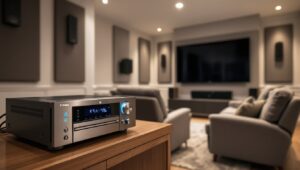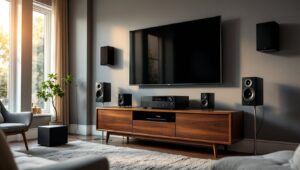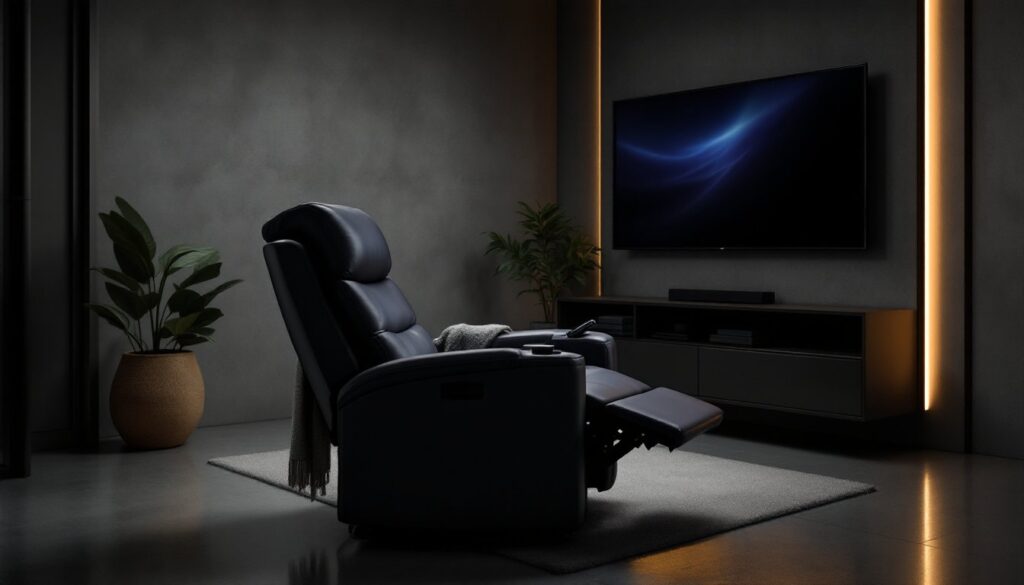

Adding a single home theater seat to a living room, bedroom, or dedicated media space transforms how you experience movies, shows, and games. Whether you’re outfitting a cozy corner or building a full home theater, the right single seat becomes your sanctuary, a place to recline, relax, and enjoy content without compromise. This guide walks you through the essentials: what types of seats deliver comfort, how to measure your space accurately, and what materials hold up to daily use. We’ll skip the aspirational fluff and focus on practical decisions that make the difference between a seat you’ll use daily and one that collects dust.
Table of Contents
ToggleKey Takeaways
- Single home theater seating provides ergonomic support and flexibility that dedicated theater seats deliver better than multipurpose furniture, especially for extended viewing sessions in space-limited rooms.
- Choosing between manual recliners, power recliners, and lounge chairs depends on your budget, available floor space, and daily usage—power models offer convenience and memory positions but require electrical access.
- Accurate space measurement is critical: position your single theater seat 1.5 to 2.5 times your screen diagonal away, account for full recline extension, and ensure 3–4 inches clearance above headrests in standard ceiling heights.
- Microfiber fabric and bonded leather are the most practical upholstery choices for home theater seating, offering durability and easy maintenance compared to genuine leather which requires regular conditioning.
- Theater seats with hardwood frames, high-density foam cushioning, and metal reclining mechanisms outlast budget alternatives, with quality single seats engineered to last a decade or more.
- Professional upholstery cleaning annually ($100–$300) and proper maintenance matched to your material choice will keep your single theater seat looking new and extend its functional lifespan.
Why Single Theater Seating Is the Perfect Addition to Your Home
A single home theater seat does more than fill floor space, it’s an investment in comfort and functionality. Unlike a multipurpose couch that serves guests and TV time alike, a dedicated theater seat provides ergonomic support designed for extended viewing sessions. Your back, neck, and legs get proper positioning, which matters when you’re settled in for a three-hour film or marathon gaming session.
The flexibility of single seating is another major draw. You’re not locked into a sectional footprint or fighting over armrest space with a partner. A single seat slides into corners, bedroom alcoves, or bonus rooms where a sofa would feel cramped. If you rearrange or move, one seat is infinitely easier to relocate than a sectional. Rooms with limited square footage, think attic spaces, guest bedrooms, or home office nooks, suddenly become viable home theater zones.
Cost-wise, a quality single theater seat typically runs less than a sectional or high-end sofa, making it accessible for DIYers testing the home theater waters. You get professional-grade recline mechanisms, quality upholstery, and features like cup holders and USB charging without the sectional price tag. For renters or those hesitant to commit to a major furniture purchase, a single seat is a lower-risk way to upgrade your entertainment space.
Types of Single Home Theater Seats
Recliners and Loungers
Manual recliners use a handle or lever mechanism to recline the backrest and, often, raise a footrest. They’re mechanical, reliable, and require zero electricity, a bonus if your media room lacks an outlet nearby. Push-back recliners don’t have a lever: instead, you lean back and the weight naturally triggers the recline. These are quieter and sleeker in appearance, though they take up more floor space when fully extended since they rock backward.
Power recliners add modern convenience: a button or remote controls the backrest angle and footrest height independently. Many now include memory positions, so you can save your ideal recline angle and return to it instantly. The downside is they need a power source (usually a standard 120V outlet), and if the motor fails, repair costs exceed manual lever replacement. But, for extended daily use, power recliners reduce wear on your back and knees compared to manual versions.
Lounge chairs blur the line between seating and bed. They typically feature a wider seat, padded armrests, and a generous footrest or extended chaise section. Loungers work well in dedicated theater rooms where aesthetics lean toward “media cave” rather than living room. They’re less practical if you need to squeeze seating into a shared space, but if you have the room, a lounge chair delivers spa-level comfort.
Theater Chairs and Power Seats
Dedicated theater chairs are engineered for performance. Premium models feature lumbar support systems (adjustable lower-back cushioning), headrests, and cup holders integrated into the armrests. Fabric and leather vary widely, but high-end home theater seats often use bonded leather or genuine leather upholstery with stain resistance, crucial if you’re eating popcorn during a watch party.
Power seats go a step further with heating and cooling functions, massage features, and USB charging ports for phones or tablets. If you’re someone who finishes a movie halfway reclined and half-asleep, a heated seat is worth the investment. Cooling seats sound like a luxury until you spend July in a humid climate with inadequate air conditioning, then they become essential.
These chairs often include storage under the seat for blankets, remotes, or media accessories. The build quality typically exceeds standard furniture, theater seats endure heavy use and are engineered to last a decade or more with proper care. Experts reviewing the best home theater seating for 2024 emphasize that investing in a seat built specifically for your use case pays dividends in durability and daily comfort.
Choosing the Right Single Seat for Your Space
Measuring and Layout Considerations
Before ordering, measure your space with precision. Start by identifying your viewing distance, the distance from the seat to the screen. A common rule of thumb is to sit 1.5 to 2.5 times the screen diagonal width away. If you have a 55-inch TV, sit roughly 7 to 9.5 feet back. This distance prevents neck strain and allows your eyes to take in the entire image without constantly scanning.
Next, account for the seat’s footprint in both reclined and upright positions. A manual recliner might extend 24 to 30 inches when fully reclined: a power recline can stretch even further. Measure from your wall and note any obstructions, doorways, windows, heating vents, or furniture that might block recline space. Use painter’s tape on the floor to outline the seat’s extended dimensions: walk around it to ensure traffic flow isn’t compromised and that you’re not blocking a door or window.
Ceiling height matters if the seat includes a headrest or if you plan on tilting back fully. In rooms with 8-foot ceilings, a high-backed theater chair can feel cramped when fully reclined. Check headrest clearance, at least 3 to 4 inches between the top of your head and ceiling is comfortable.
Electricity placement is critical for power seats. Identify where your nearest 120V outlet sits and measure the distance. Power cords are typically 5 to 6 feet long, so position the seat within that range or budget for a heavy-duty extension cord rated for furniture (not a standard computer extension). Never rely on daisy-chaining multiple extension cords, fire hazard and power surge risk aren’t worth it.
Consider seat width and depth carefully. Standard single theater seats run 30 to 36 inches wide. If you’re a taller person, a seat labeled 36-inch width with a 30-inch seating depth might feel narrow. Read product specs for both overall dimensions and usable seat depth, that’s the distance your legs can stretch without hitting the footrest base. Oversized or XL models exist (typically 40+ inches wide), but they demand more floor space and cost more.
Armrest height affects comfort during extended viewing. Your arms should rest at roughly a 90-degree angle when seated upright. If armrests sit too low, your shoulders roll forward: too high, and you’re reaching up to use cup holders or controls. Quality theater seats offer adjustable armrests or wide enough cushioning that arm placement feels natural regardless of your frame.
Reviews and expert recommendations can guide your final selection. Sites like HG TV’s home theater seating ideas showcase how different seats work in real spaces, giving you visual context and arrangement inspiration. Similarly, expert-tested recommendations for home theater seats provide detailed comfort and feature comparisons that help narrow your choices.
Materials, Durability, and Maintenance
Upholstery material is your biggest durability choice. Genuine leather looks premium and cleans easily, wipe down with a damp cloth and dry immediately, but it’s expensive, can crack in dry climates, and requires conditioner every 6 to 12 months to prevent aging. Bonded leather (leather fibers mixed with polyurethane) costs less, mimics genuine leather’s appearance, and is nearly as easy to clean. But, bonded leather doesn’t breathe as well and can peel if abused.
Microfiber fabric is the practical choice for home theater. It resists stains, handles spills without absorbing, and vacuums clean easily. Microfiber doesn’t feel as luxe as leather, but it’s durable, pet-friendly, and machine-washable on many removable covers. If you have kids or pets, microfiber wins every time.
High-performance fabrics (like Crypton or similar solutions) are engineered for stain and odor resistance. They cost more than standard microfiber but are worth it if your room doubles as a snack zone or game lounge. These fabrics repel liquids, preventing stains from setting.
Frame construction determines longevity. Look for seats built with hardwood frames (oak, birch, or similar) or reinforced plywood. Cheap particle board breaks under stress: hardwood handles decades of use. Check if the frame is kiln-dried, this prevents warping from humidity swings. The reclining mechanism should use metal springs and ball bearings rather than plastic parts. Metal mechanisms cost more upfront but outlast plastic by years.
Cushioning density affects both comfort and durability. High-density foam (1.8 lbs per cubic foot or higher) resists flattening from constant use. Lower-density foam feels softer initially but develops body imprints within a year or two of heavy use. Premium theater seats use layered foam: high-density for structure, medium-density for comfort, and soft surface foam for luxury feel.
Maintenance is straightforward if you match material to upkeep willingness. Leather seats need occasional conditioning: fabric seats need regular vacuuming and spot cleaning. Power mechanisms require nothing beyond normal use, no lubrication, no adjustment. If your seat has removable cushion covers, wash them seasonally to keep them fresh. If covers aren’t removable, spot-clean immediately after spills to prevent staining.
For high-traffic use, budget annual cleaning. Professional upholstery cleaning ($100–$300 for a single seat) keeps fabric looking new and extends life. It’s cheaper than replacing a stained cover or dealing with ground-in dirt.
Warranties vary by manufacturer and model. A solid warranty covers frame defects for 5 years and mechanical parts (motors, springs) for 3 to 5 years. Upholstery damage, tears, seam separation, stains, is usually not covered, so treat your seat with care. Keep your receipt and warranty documentation: they’re your proof of purchase if you need repairs.