
A tiny home shed isn’t just a storage box anymore. Today’s backyard sheds are purpose-built structures that function as guest quarters, home offices, creative studios, or simply an organized sanctuary away from the main house. If you’re searching for tiny home sheds near you, you’re tapping into a growing trend that combines practicality with flexibility. Whether you need extra square footage without the mortgage, a dedicated workspace, or a retreat for guests, understanding your options, from local dealers to online retailers, materials, costs, and installation, will help you make an well-informed choice that fits your property, budget, and lifestyle.
Table of Contents
ToggleKey Takeaways
- Tiny home sheds near you range from 80 to 400 square feet and function as insulated guest quarters, home offices, or creative studios without the cost and complexity of traditional construction.
- Check local dealers like Lowe’s, Home Depot, and regional timber frame companies first, then explore online retailers like Tuff Shed or Carport.com if local inventory is limited.
- Evaluate critical features including pressure-treated flooring, insulation R-values (R-13 to R-15 minimum), roofing durability for your climate, electrical readiness, and local building code compliance before purchasing.
- Budget conservatively between $2,500–$5,000 for basic storage sheds and $15,000–$25,000 for fully finished models, accounting for hidden costs like delivery ($500–$2,000), site prep ($500–$2,000), and permits ($200–$1,000+).
- Prepare your property with proper site grading, a level concrete slab or deck foundation, utility rough-in work, and professional assembly ($500–$1,500) to avoid costly damage and ensure long-term durability.
What Are Tiny Home Sheds and Why They’re Worth Considering
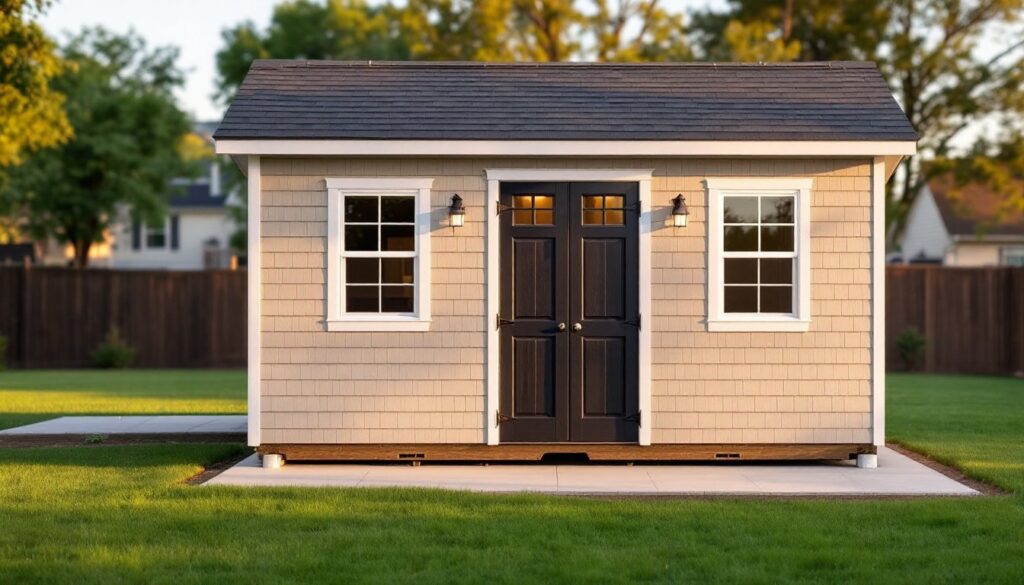
Tiny home sheds are fully finished or semi-finished structures, typically ranging from 80 to 400 square feet, designed for residential yards. Unlike traditional storage sheds, these are insulated, sometimes wired for electricity, and often include flooring, walls, and roofing built to withstand year-round use. They’re popular for homeowners facing space constraints, multigenerational living, or the need for a separate work or hobby zone.
Why consider one? First, cost-effectiveness, you’re adding functional living or working space without a full-scale addition or renovation. Second, flexibility: rent it out for supplemental income, use it as a guest house, or set it up as a home office. Third, many are portable or semi-portable, meaning if you move, certain models can go with you. Finally, they sidestep some zoning complexities that full ADUs (accessory dwelling units) might trigger in your area, though always check local codes first.
The appeal is straightforward: more space on your existing lot without the cost, time, or complexity of traditional construction. For DIY enthusiasts and practical homeowners, that’s a win.
How to Find Quality Tiny Home Sheds in Your Local Area
Finding the right shed dealer or retailer nearby requires knowing where to look. Start by checking what’s actually available in your region, availability and delivery costs vary widely depending on whether manufacturers or retailers have a local presence.
Local Dealers and Retailers to Explore
Begin with a simple online search for “shed dealers” or “tiny home builders” in your area. Lowe’s, Home Depot, and Tractor Supply often stock or order standard sheds, though their selection of finished, small-home-style structures may be limited. Costco occasionally offers specialized sheds, for example, Costco’s Gorilla shed comes in three sizes starting at $4,500 and resembles a tiny home with a pitched roof and window options. Regional shed builders and timber frame companies are goldmines: many customize sizes and finishes. Visit local lumber yards and building suppliers, staff there often know regional fabricators. Don’t skip agricultural or farm supply stores: they frequently stock quality structures built for rural living.
Online Options for Local Delivery
If local inventory is sparse, online retailers can ship to you. Tuff Shed, Carport.com, and Amazon Basics offer sheds with delivery options: confirm shipping costs and timelines before ordering, as delivery fees for large structures can be substantial. Check reviews on Angi, which compiles contractor and service ratings, including shed builders and installers in your area. Facebook Marketplace and Craigslist occasionally have quality used or slightly damaged sheds at steep discounts, inspect carefully and verify structural integrity. Websites like ModularBlox and Backyard Outfitters let you customize online and arrange delivery.
Key Features to Evaluate Before Buying
Not all sheds are created equal. Before committing, evaluate these essentials:
Flooring and Foundation: A pressure-treated wood floor or concrete pad prevents rot and pest intrusion. Concrete is more durable in wet climates: wood works fine in dry regions but requires proper drainage underneath.
Insulation and Climate Control: If you plan to use the space year-round, check R-value ratings. Most finished sheds include basic fiberglass batts (R-13 to R-15 in walls). For cold climates, look for higher ratings or plan to upgrade. Ventilation is critical to prevent moisture buildup: confirm the shed has soffit vents or a ridge vent.
Roofing Material: Asphalt shingles are standard and affordable: metal roofing lasts longer but costs more. Confirm the roof is designed to handle your region’s snow load or wind rating, this matters structurally and for insurance.
Electrical and Plumbing Readiness: Many sheds arrive with rough-in wiring conduits but no finished electrical service. If you need power, confirm whether the unit supports a sub-panel installation. Plumbing is rare in smaller sheds: adding it requires a licensed plumber and may need permits.
Doors and Windows: Double-swing doors (not single) are easier for moving furniture. Low-E or insulated windows reduce heat loss. Check frame quality, vinyl or wood, not thin aluminum that conducts cold.
Building Code Compliance: Verify the shed meets your local IRC (International Residential Code) standards. Some jurisdictions require permits for structures over 200 square feet or if you plan to occupy it. Small space living advice from Apartment Therapy covers maximizing layouts if you’re designing the interior yourself.
Cost Considerations and Budget Planning
Tiny home shed costs vary dramatically based on size, finish level, and region. A basic uninsulated storage shed (10×12 feet) runs $2,500–$5,000. A semi-finished, insulated shed (12×16 feet) with flooring, electric-ready wiring, and decent roofing runs $6,000–$12,000. A fully finished, livable tiny home shed (14×20 feet or larger) with interior finishes can exceed $15,000–$25,000 or more.
Don’t forget hidden costs: delivery (often $500–$2,000 depending on distance and size), site preparation (grading, drainage, or concrete pad installation, budget $500–$2,000), electrical rough-in work ($800–$2,500 if not included), and permitting fees ($200–$1,000+ depending on jurisdiction). If you need a foundation poured or substantial grading, add another $1,500–$5,000.
Regional factors matter. Rural areas and regions with established timber or modular industries typically offer better pricing. Urban areas and regions with limited local suppliers see higher costs and longer lead times. Material costs also fluctuate: lumber prices have stabilized from 2021–2022 peaks but remain higher than pre-pandemic levels.
Budget conservatively and get at least two quotes. Many dealers offer financing options: compare APR and terms carefully. Always ask what’s included (delivery, assembly, permits, foundation prep) and what’s extra.
Preparation and Installation Tips for Your Property
Before your shed arrives, prepare your property properly. Poor prep is the biggest source of regret for DIY shed owners.
Site Selection and Grading: Choose a level spot with good drainage, ideally away from low points where water pools. If your yard slopes, you’ll need to grade or build up the foundation. Mark out the footprint using stakes and string, and use a 4-foot level to confirm it’s reasonably flat (a 2% slope for drainage is acceptable: more than 5% requires intervention).
Foundation Type: For uninsulated storage sheds, a gravel pad or concrete blocks work. For insulated or livable sheds, pour a 4-inch concrete slab or build a pressure-treated wooden deck frame on concrete piers. Concrete is more durable: wood is cheaper but requires future replacement. Either way, the foundation must be level and properly drained to prevent settling and water damage.
Utility Readiness: If the shed needs electricity, have a licensed electrician rough-in a subpanel or conduit before delivery. Check local codes, many jurisdictions require permits for sheds over certain sizes or for any electrical work. Permit fees are non-negotiable and protect you legally.
Assembly and Professional Help: Most prefab sheds arrive partially assembled. Doors, roofing, and final trim are DIY jobs if you’re handy, but full assembly often requires two people and 6–12 hours. Some suppliers offer assembly for a fee ($500–$1,500): it’s worth the cost to avoid frustration and mistakes. Never skip anchoring the structure to the foundation using hurricane ties or bolts, high winds can topple an improperly secured shed.
Final Touches: Once installed, seal gaps, caulk seams, and inspect the roof for missing shingles or leaks. Proper ventilation and drainage now prevent costly repairs later.