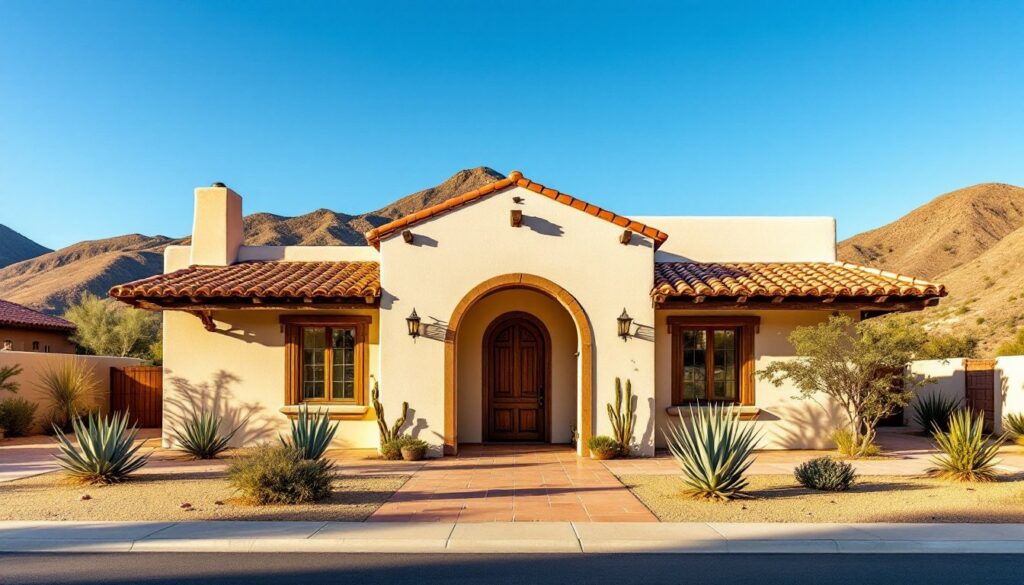

Hacienda style architecture has captivated homeowners for centuries, blending Spanish colonial influences with practical, comfortable living. Today’s small hacienda style home plans prove that authenticity doesn’t require sprawling acreage or massive square footage. Modern builders and homeowners are discovering that the charm, durability, and efficiency of hacienda design work beautifully in compact, efficient layouts suited to contemporary life. Whether you’re planning a renovation, building from scratch, or simply exploring the aesthetic, understanding the key principles of hacienda architecture will help you create a home that feels both timeless and lived-in.
Table of Contents
ToggleKey Takeaways
- Small hacienda style home plans range from 800 to 2,000 square feet and prove that authentic Spanish colonial charm doesn’t require sprawling acreage or oversized budgets.
- Core design principles like thick stucco walls, deep overhangs, clay tile roofing, and interior courtyards create passive solar efficiency and durable, climate-responsive architecture proven effective for 400+ years.
- Modern hacienda styles successfully blend traditional aesthetics (exposed wooden vigas, arched openings, Talavera tile accents) with contemporary necessities like structural insulation, HVAC systems, and larger windows for livability.
- L-shaped and linear floor plans for small haciendas maximize courtyard benefits and passive solar orientation by positioning living areas on south-facing sides with bedrooms clustered away from street views.
- Stucco finishes, roofing material, and interior detailing can be adapted to climate, budget, and regional building codes without compromising hacienda authenticity or character.
- Work with architects and builders experienced in regional hacienda construction to navigate permits, structural requirements for non-standard features like courtyards, and code compliance while balancing historical design principles with modern safety standards.
What Defines Hacienda Style Architecture
Hacienda style emerged in Mexico and the American Southwest as settlers adapted Spanish colonial building traditions to local climates and available materials. The term hacienda originally referred to a large estate or plantation, but the architectural style itself became synonymous with thick-walled, fortress-like structures designed for hot, dry climates.
At its core, hacienda architecture prioritizes substance over flash. Massive adobe or stucco walls provide thermal mass, keeping interiors cool without modern air conditioning. Deep overhangs and covered porches extend living space outward and protect walls from intense sun and rain. Interior courtyards (or patios) create private, shaded outdoor rooms that serve as the heart of the home, a practical response to the climate and social traditions of the era.
The style emphasizes handcrafted details and natural materials: clay tile roofing, hand-finished plaster, wooden beams (vigas), and custom ironwork. Unlike trendy décor movements, hacienda design has proven functional for 400+ years across vastly different regions, from Oaxaca to San Antonio to modern suburbs.
Key Design Elements for Small Haciendas
Exterior Features and Materials
The exterior of a small hacienda home announces itself through authentic, durable materials. Stucco-finished walls, ideally earth-toned in creams, terracottas, or soft browns, are the signature finish. If true adobe isn’t practical for your climate or budget, modern synthetic stucco (EIFS) or traditional Portland cement stucco approximates the look while offering easier maintenance.
Clay barrel tile roofing remains the gold standard, though it’s costly and adds significant structural load (about 15–20 pounds per square foot compared to 2–4 for asphalt shingles). Alternatives like concrete barrel tile or high-quality asphalt shingles shaped to mimic clay tile keep costs down while preserving the profile.
Small haciendas benefit from deep overhangs (typically 2–3 feet minimum) and covered portales (porches) along the south and west elevations, this passive solar strategy is both beautiful and functional. Arched openings, rounded corners, and decorative wooden window grilles (rejas) break up the solid wall planes. Wrought-iron light fixtures, hardware, and perhaps a decorative gate entrance add character without excess.
Small yards can include a modest courtyard or patio area, even if it’s just 12–16 feet across. Paving with saltillo tiles or terra cotta, adding a water feature (a simple recirculating fountain), and framing the space with plantings creates that introverted, sheltered feeling haciendas are known for.
Interior Layout and Floor Plans
Traditional haciendas organize rooms around a central courtyard, but small footprints require smart compromises. Successful small hacienda layouts cluster living areas (kitchen, dining, living room) around a central gallery or covered passage, creating visual and functional flow without unnecessary square footage.
Kitchen placement deserves attention. Haciendas traditionally kept kitchens separate or semi-detached to manage heat and odors, but modern homes need open-concept efficiency. Consider a kitchen opening to a dining area with a wide archway (real or faux beam headers above), preserving sightlines while defining zones.
Bedrooms in small haciendas are typically modest, sometimes just 10–12 feet wide. Compensate with deep closets and high ceilings (8.5–9 feet minimum). Arrange bedrooms to face courtyards or garden sides when possible: small windows facing neighbors aren’t part of the authentic aesthetic anyway.
Bathrooms should feel like part of the home’s story, not afterthoughts. Saltillo or hand-painted tile work, exposed ceiling beams, and a small skylight or high window create period character without inflating cost. Talavera tile (hand-painted Mexican pottery-style tile) is pricey but even small accents, around a mirror or as a shelf edge, go a long way.
Ceilings matter hugely. Exposed wooden vigas (traditionally 8–10 inch diameter logs, now often solid-sawn or laminated beams) create shadow and scale. Complement with latilla (smaller wooden branches or strips) or simple drywall ceilings tinted a warm cream or pale ochre. The goal is warmth and visible structure, not exposed rafters or modern minimalism.
Popular Small Hacienda Floor Plan Layouts
Modern small hacienda plans typically range from 800 to 2,000 square feet, with the most popular falling between 1,000 and 1,500 square feet. This size accommodates 2–3 bedrooms, 1.5–2 bathrooms, and efficient common areas without excessive land or building costs.
The linear or corridor plan works well for small lots. A long portico or covered walkway runs the length of the home’s south side, with rooms opening off it. Kitchen and dining occupy one end, living spaces the other, and bedrooms face away from the street. This layout maximizes passive solar benefit (morning sun, afternoon shade) and creates a natural progression through the home.
The L-shaped plan encloses a courtyard on two sides, giving a true hacienda feel even on a compact urban lot. One wing might contain living areas: the other, bedrooms. The courtyard (40×20 feet or smaller) offers privacy, outdoor entertaining space, and a natural light source for interior rooms. This layout is ideal for lots 50–60 feet wide and 80–100 feet deep.
Single-courtyard designs with rooms arranged around a small central garden or atrium create the strongest hacienda character. All rooms can open onto the courtyard (via arched doorways or large glazed openings), blurring indoor-outdoor boundaries. Even a 20×20-foot courtyard provides dramatic benefits for light, ventilation, and livability.
Many successful small haciendas use a modified central hall plan, where a broad, covered entry/gallery space runs north-south through the home’s center. Rooms flank this circulation spine: it acts as both a light well and thermal buffer. Glazed doors allow views and light flow without requiring a fully open layout.
Adapting Hacienda Style to Modern Homes
Pure historical reproduction isn’t practical or desirable for most homeowners today. The goal is to honor hacienda principles, durable materials, passive solar orientation, introverted courtyards, and handcrafted details, while integrating modern utilities, insulation, and comfort expectations.
Structural insulation is a non-negotiable modern addition. Traditional adobe provided some R-value through sheer mass, but meeting current building codes (typically requiring R-13 to R-20 walls depending on climate zone) requires adding insulation. Exterior continuous insulation (foam board) with stucco over it maintains authentic appearance while meeting energy codes. Alternatively, standard frame construction with dense-pack cellulose, fiberglass batts, or spray foam inside provides the thermal performance that haciendas lack today.
Design-wise, homeowners can adopt hacienda aesthetics without committing to the full program. A home with conventional frame walls, modern HVAC, and standard electric service can still feature a covered portal, deep overhangs, stucco exterior, barrel tile roof, exposed wooden beams, arched openings, and interior tile details. These elements cost money but are cosmetic rather than structural. Websites like Southern Living and Houzz showcase contemporary homes mixing hacienda cues with modern convenience.
Mechanical systems require planning. In a true hacienda, courtyard walls and shade trees provided cooling: today, wall-mounted mini-split AC units or traditional ducted systems hidden behind cove ceilings keep the aesthetic intact while ensuring comfortable summer temperatures. Radiant floor heating works beautifully with tile flooring, a traditional hacienda element.
Windows and doors are a compromise zone. Authentic haciendas had small, deeply set windows for thermal and security reasons. Modern homes need more glazing for light and views. Compromise with deep-set casements (recessed into the thick stucco wall), arched tops, and traditional wooden frames in dark colors. This preserves the hacienda aesthetic while allowing contemporary liveability.
Building and Customizing Your Hacienda Home
If you’re building from scratch or undertaking a major renovation, planning and material selection are critical. Start with a site plan that maximizes passive solar orientation. In the Northern Hemisphere, south-facing exposure provides winter heating and allows summer shade from wide overhangs. Courtyards and gardens should face south or east for morning sun and afternoon relief.
Choose a stucco finish based on your climate and budget. Synthetic stucco (EIFS) is affordable and durable in dry regions but can trap moisture in humid climates: check local building practices. Traditional Portland cement stucco is heavier, more labor-intensive, and pricier but proven over centuries. Hand-troweled finishes cost more than spray-applied but offer superior texture and aging character. Plan for maintenance: stucco typically needs recoating or patching every 15–25 years depending on climate.
Roofing material deserves serious consideration. Authentic clay barrel tile ($8–15 per square foot installed) is beautiful but heavy and expensive. Concrete barrel tile ($4–8 per square foot) mimics the look convincingly while being lighter and less costly. Architectural asphalt shingles shaped like barrel tile ($2–4 per square foot) are the budget option but require replacing more often. All three meet building codes: your choice depends on climate durability and budget.
For interior finishing, prioritize authentic touches in visible areas. Hand-painted Talavera tile accents in a bathroom, exposed wooden vigas in the living room, and clay saltillo flooring (properly sealed) make a hacienda feel genuine without maxing out the budget. Modern drywall, paint, and standard finishes in utility areas keep costs reasonable.
Permits and inspections are non-negotiable. Hacienda design often involves non-standard features (thick walls, arched openings, courtyards) that may require structural engineer review or variance approval. Thick exterior walls reduce interior square footage, account for this in your floor plans. Work with a builder or architect experienced in regional hacienda construction: they’ll navigate code compliance and help you balance authenticity with modern safety and efficiency standards. Check Country Living for regional building inspiration and practical renovation stories. Most jurisdictions require permits for anything beyond cosmetic work, and they should.