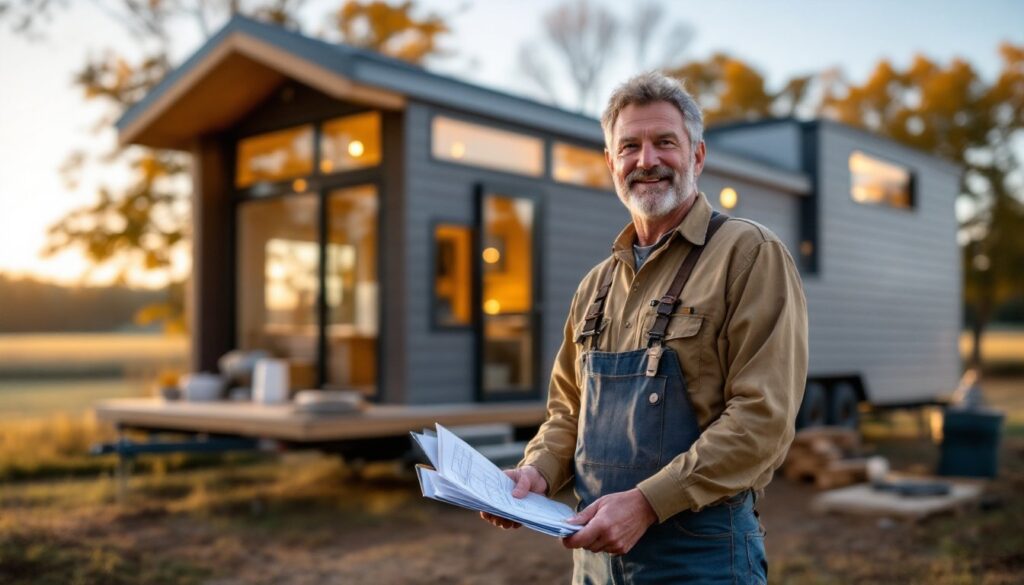

Tiny homes represent a growing movement toward sustainable, affordable living in Indiana. Whether you’re drawn to lower utility costs, simpler maintenance, or downsizing from a large house, finding the right builder is crucial to your project’s success. Indiana’s housing market has seen increasing interest in compact, efficiently designed homes, and builders across the state are responding with innovative solutions. This guide walks you through what makes tiny home construction different, what to evaluate in a builder, and the specific considerations Indiana homeowners need to navigate.
Table of Contents
ToggleKey Takeaways
- Tiny home builders in Indiana should demonstrate specialized expertise in space efficiency, custom layouts, and design solutions specific to compact living rather than treating projects as cookie-cutter builds.
- Verify any Indiana tiny home builder’s contractor licensing through the Indiana Construction Industry Licensing Board and confirm liability and workers’ compensation insurance before signing a contract.
- Tiny homes cost between $60,000 to $150,000 depending on finishes and location, with per-square-foot costs often higher than conventional homes due to specialized labor and smaller project overhead.
- Foundation, utility routing, and moisture control require precision in Indiana’s tiny homes due to regional clay soils, freeze-thaw cycles, and humidity patterns that directly impact compact structures.
- Financing tiny homes can be challenging since traditional lenders hesitate to finance them; ask your builder upfront about relationships with specialized lenders or expect to arrange construction loans independently.
- Understand your county’s specific zoning laws and building codes before choosing a tiny home builder, as Indiana municipalities vary significantly in their allowances for ADUs, minimum square footage, and tiny home standards.
Why Tiny Homes Are Gaining Momentum in Indiana
Tiny homes, typically defined as 300 to 400 square feet, offer Indiana residents a practical alternative to traditional single-family construction. Rising property costs, energy efficiency concerns, and lifestyle preferences toward minimalism have accelerated demand over the past five years.
Indiana’s real estate landscape, particularly around Indianapolis, Fort Wayne, and Bloomington, shows growing enthusiasm for compact, high-quality construction. Lower property taxes on smaller homes, reduced heating and cooling expenses, and easier maintenance appeal to retirees, young professionals, and families looking to invest housing dollars more strategically. Many builders now specialize in maximizing livable space within tight footprints, using clever storage solutions, multi-functional layouts, and open-plan designs.
Beyond affordability, tiny homes align with environmental values. Smaller structures require fewer building materials, less energy to heat and cool, and often sit on smaller lots, reducing land consumption. Indiana municipalities, from rural counties to urban centers, increasingly recognize tiny homes as a solution to housing shortages. Some counties have updated zoning codes to allow accessory dwelling units (ADUs) and tiny home communities, creating more opportunities for builders and buyers alike.
The shift isn’t just a trend. Tiny home construction in Indiana now represents a legitimate, growing segment of the residential building market, with established builders and new entrants recognizing the opportunity.
What to Look for in a Tiny Home Builder
Choosing the right tiny home builder requires more scrutiny than simply comparing price quotes. Tiny home construction demands specialized knowledge that differs significantly from conventional home building.
Design Expertise and Customization Options
A strong tiny home builder understands how to use vertical space, plan storage strategically, and create open layouts that prevent the space from feeling cramped. Look for builders with a portfolio demonstrating thoughtful design, not just photos of finished exteriors, but floor plans showing how kitchens, bedrooms, and bathrooms fit together.
Customization matters. Your lifestyle and priorities differ from the next buyer’s. Does the builder offer modular options for layouts? Can you upgrade appliances or choose different interior finishes? A builder who treats each project as a template rather than a cookie-cutter solution signals expertise in the niche. Ask to see three to five completed projects and speak directly with past clients about whether the builder accommodated requests or stuck rigidly to standard designs.
Also inquire about construction methods. Some Indiana builders use traditional stick-frame construction on a permanent foundation, while others build mobile-certified tiny homes on trailers. Each approach has cost, zoning, and practical implications. A knowledgeable builder explains these trade-offs clearly rather than pushing you toward their preferred method.
Licensing, Insurance, and Local Compliance
Verify that your builder holds a valid Indiana contractor’s license. The Indiana Construction Industry Licensing Board maintains a registry, check it. A licensed contractor has passed exams on building codes, safety, and business practices.
Insurance is non-negotiable. Request certificates of liability and workers’ compensation coverage before signing a contract. A builder without adequate insurance exposes you to massive financial and legal risk if someone is injured on your property or if the project encounters disputes.
Understand permit requirements in your county. Tiny homes trigger different code considerations than conventional homes. Some Indiana counties still have minimum square footage requirements that conflict with tiny home standards, while others have updated ordinances. Your builder should know the zoning rules, setback requirements, and any special permits needed in your jurisdiction. If permits are unclear, the builder should be willing to work with your local planning department or suggest consulting a local attorney before committing funds.
Building codes vary by county and municipality. The builder’s familiarity with your specific location’s International Residential Code (IRC) adoption and any local amendments is critical. Don’t assume that a builder working in one part of Indiana understands the rules in another.
Top Tiny Home Building Considerations for Indiana Homeowners
Beyond builder selection, several technical and practical factors shape a successful tiny home project in Indiana.
Foundation and site prep matter more in tiny homes than in larger construction. Because your structure is compact, improper grading or foundation issues become magnified in their impact. Indiana’s clay soils and variable drainage patterns require careful site assessment. Builders should conduct soil testing and design appropriate foundations, whether a concrete slab, pier and beam, or permanent basement footers. Ask your builder how they account for Indiana’s freeze-thaw cycles when designing foundations.
Utility integration in tiny spaces demands precision. HVAC systems, water lines, and electrical circuits can’t be run haphazardly. The builder should have a clear plan for how systems will be routed and how they’ll maintain access for future maintenance. Undersized or poorly planned utilities are a common regret among tiny home owners. Discuss mechanical room locations and whether systems are accessible without dismantling cabinetry.
Moisture control is critical in compact homes where ventilation is limited. Inadequate air exchange leads to mold, condensation, and air quality issues. Verify the builder uses proper underlayment under roofing, vapor barriers in walls, and either mechanical ventilation (ERV/HRV systems) or a plan for adequate natural airflow. Indiana’s humid summers and damp springs make this especially important.
About cost, expect tiny homes to range from $60,000 to $150,000 or more, depending on finishes, complexity, and location. The per-square-foot cost is often higher than conventional homes because of specialized labor and the overhead of managing a smaller project. Regional variations, material availability, and your customization choices all affect pricing. Before committing, compare builder estimates using home renovation cost guides to understand typical market rates in your area.
Financing can be tricky. Many traditional mortgage lenders hesitate to finance tiny homes on permanent foundations because they don’t follow conventional lending categories. Some builders partner with lenders familiar with tiny home projects: others require you to arrange construction loans or personal financing. Ask upfront whether your builder has relationships with lenders or if you’ll navigate financing independently.
Finally, understand resale implications. Tiny homes are still a niche market in Indiana, especially in rural areas. What appeals to you might limit the buyer pool later. Builders and real estate professionals using home improvement cost estimators can help project appreciation, but be realistic about market demand in your specific county.
Construction timelines also differ. A tiny home typically takes 3 to 6 months to build, versus 6 to 12 months for a conventional home. Discuss the schedule in detail and confirm whether the builder will have adequate crew availability. Delays in materials or labor affect small projects acutely, so clear timelines and contingency plans matter.
Conclusion
Finding the right tiny home builder in Indiana requires balancing design skill, local expertise, and proven reliability. Verify licensing and insurance, review portfolios and past clients’ experiences, and ensure the builder understands your county’s specific zoning and building code environment. Ask detailed questions about construction methods, utilities, moisture control, and financing, these details separate successful tiny home projects from expensive mistakes. With the right builder and clear expectations, your tiny home becomes an achievable, rewarding investment.