
A life and style at home guide helps transform any living space into a place that feels genuinely yours. The home serves as more than shelter, it reflects personality, supports daily routines, and shapes overall well-being. Whether someone lives in a compact apartment or a sprawling house, thoughtful design choices and simple habits can make every room more functional and inviting. This guide covers practical strategies for designing spaces, adding personal touches, building healthy routines, and upgrading on a budget. Each section offers clear, actionable advice that readers can apply immediately.
Table of Contents
ToggleKey Takeaways
- A life and style at home guide helps you create functional, personalized spaces that support daily routines and overall well-being.
- Design functional rooms by understanding traffic patterns, creating zones for different activities, and layering three types of lighting (ambient, task, and accent).
- Incorporate personal style through a cohesive color palette, mixed textures, meaningful objects, and easy-care plants that bring life to any space.
- Build balanced home habits like morning bed-making, evening resets, and the “one in, one out” rule to prevent clutter from accumulating.
- Stretch your budget with high-impact upgrades like paint, thrift store finds, DIY projects, and textile swaps that refresh rooms without major spending.
- Focus your investment on high-use items like quality mattresses and cookware where the daily impact is greatest.
Designing Functional Living Spaces
Functional design starts with understanding how people actually use a room. Before buying furniture or rearranging anything, observe traffic patterns and daily activities. A living room might need space for kids to play, a corner for reading, and seating for guests. Each function deserves its own zone.
Furniture placement affects both flow and comfort. Position sofas and chairs to encourage conversation rather than just facing a TV. Leave clear pathways, at least 30 inches wide, between major pieces. This prevents that cramped feeling and makes cleaning easier.
Storage solves most clutter problems. Built-in shelving, ottomans with hidden compartments, and vertical storage maximize square footage. In smaller homes, multi-purpose furniture becomes essential. A dining table can double as a workspace. A daybed serves guests and provides extra seating.
Lighting deserves more attention than most people give it. Layer three types: ambient (overhead), task (desk lamps, under-cabinet lights), and accent (picture lights, candles). Dimmer switches add flexibility. Natural light improves mood and reduces energy costs, so keep windows unobstructed when possible.
A life and style at home guide emphasizes that function and beauty aren’t opposites. A well-organized space actually looks better. When everything has a place, rooms feel calm and intentional.
Incorporating Personal Style Into Your Decor
Personal style makes a house feel like home. Generic showroom setups lack soul. The goal isn’t perfection, it’s authenticity.
Start by identifying preferences. Some people love minimalism: clean lines, neutral colors, open surfaces. Others prefer maximalism: bold patterns, collected objects, layered textures. Most fall somewhere in between. Browsing design magazines or Pinterest boards helps clarify tastes.
Color sets the emotional tone. Cool blues and greens create calm. Warm yellows and oranges energize. Neutrals provide flexibility. Commit to a palette of three to five colors and use them throughout the home for cohesion.
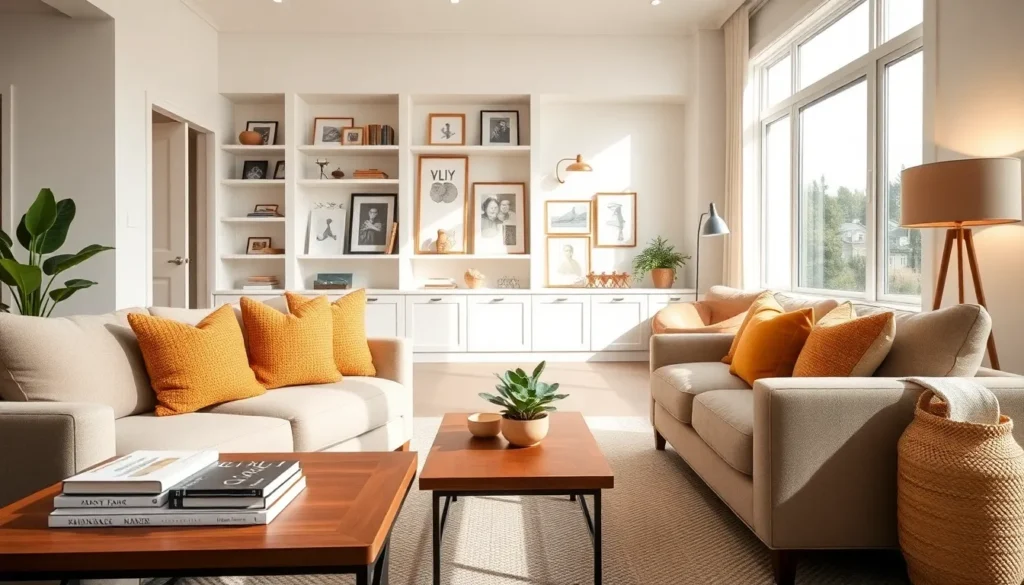
Textures add depth without visual clutter. Mix smooth and rough, soft and hard. A velvet pillow on a leather couch. A woven basket on a sleek shelf. These contrasts make spaces feel finished and interesting.
Art and objects tell stories. Display travel souvenirs, family photos, or inherited pieces. A life and style at home guide encourages meaningful items over trendy purchases. That chipped vase from a grandmother holds more value than a mass-produced decoration.
Plants bring life, literally. They purify air, add color, and create a connection to nature. Even those without green thumbs can manage pothos, snake plants, or succulents. Fake plants have improved dramatically too: quality options fool most visitors.
Everyday Habits for a Balanced Home Life
Beautiful spaces mean little without habits that support well-being. A life and style at home guide addresses daily routines as much as design choices.
Morning routines set the day’s tone. Making the bed takes two minutes and creates an immediate sense of accomplishment. Opening curtains lets in natural light. A tidy kitchen counter encourages healthy breakfast choices.
Evening wind-down matters equally. A quick 10-minute reset, putting items away, loading the dishwasher, laying out tomorrow’s clothes, prevents morning chaos. Screen-free time before bed improves sleep quality.
Regular decluttering prevents accumulation. The “one in, one out” rule works: when something new enters the home, something old leaves. Seasonal purges catch what daily habits miss. Donate, sell, or recycle rather than trashing.
Cleaning schedules reduce overwhelm. Rather than marathon weekend sessions, spread tasks across days. Monday: bathrooms. Tuesday: floors. Wednesday: dusting. Small consistent efforts beat sporadic deep cleans.
Boundaries protect home life. Designate work-free zones if working remotely. Establish device-free times for family connection. The home should restore energy, not drain it.
Budget-Friendly Tips for Home Upgrades
Style doesn’t require significant spending. Smart choices and creativity stretch limited budgets.
Paint delivers the highest impact for the lowest cost. A gallon runs $30-50 and transforms an entire room. Accent walls add drama without overwhelming. Even painting furniture or cabinets refreshes tired pieces.
Thrift stores and estate sales offer treasures. Solid wood furniture from past decades often surpasses modern particle board in quality. Reupholstering or refinishing updates styles while preserving craftsmanship. Patience pays, the perfect piece eventually appears.
DIY projects save money and add character. Floating shelves, gallery walls, and updated hardware require basic tools and minimal skill. YouTube tutorials walk beginners through most projects. A life and style at home guide recommends starting small before attempting major renovations.
Textile swaps refresh rooms instantly. New throw pillows, curtains, or rugs change the entire feel without permanent commitment. Seasonal rotations keep spaces feeling fresh year-round.
Lighting upgrades make dramatic differences. Replacing dated fixtures or adding statement lamps modernizes instantly. LED bulbs cost more upfront but last years and reduce electricity bills.
Focus spending on high-use areas. A comfortable mattress improves sleep for years. Quality cookware makes daily meal prep enjoyable. Invest where impact is greatest and save elsewhere.