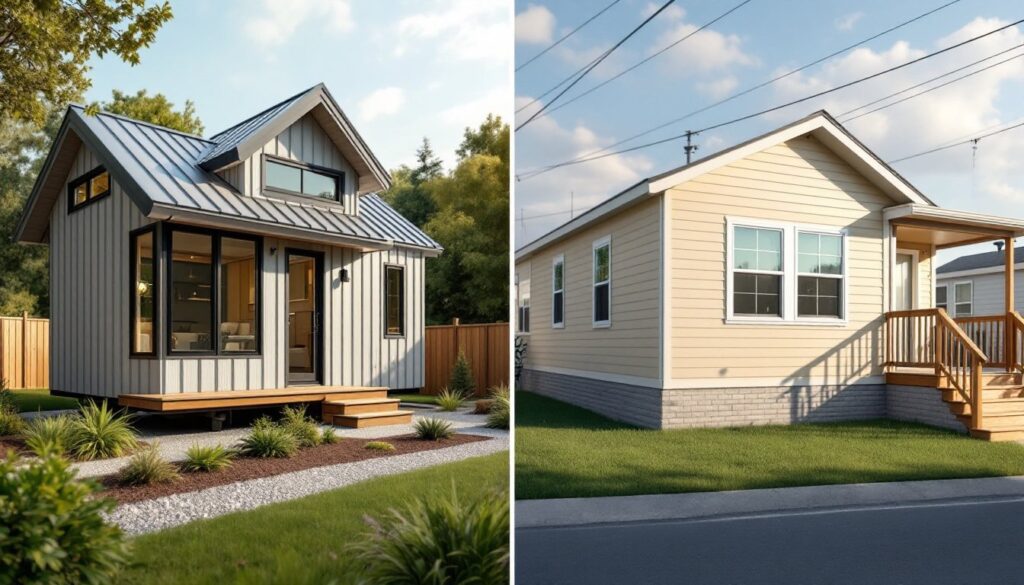

The appeal of alternative living keeps growing. Tiny houses and trailer homes both promise downsizing without downsizing lifestyle, but they’re fundamentally different structures with distinct costs, legal hurdles, and customization paths. If you’re weighing these options, whether for budget reasons, sustainability, or just wanting a simpler footprint, understanding what sets them apart matters. This guide walks through the realities of each, from zoning laws to interior potential, so you can pick the right fit for your goals and circumstances.
Table of Contents
ToggleKey Takeaways
- Tiny houses are custom-built, appreciating assets ranging from $40,000 to $120,000+ that require land ownership and zoning approval, while trailer homes are mass-produced and cost less upfront ($30,000–$75,000) but depreciate 15–20% in year one.
- Lot rent for trailer homes can total $72,000 to $192,000 over 20 years, making tiny houses vs trailer homes a significant financial consideration when calculating long-term ownership costs beyond initial purchase price.
- Tiny homes offer full customization and design control with flexible layouts, whereas trailer homes come in fixed floor plans with limited structural modifications, affecting how efficiently you can personalize your living space.
- Zoning laws vary dramatically by municipality—tiny houses face strict restrictions or outright bans in many areas, while trailer homes have better recognition in some regions, so verify local regulations before committing to either option.
- Both tiny houses and trailer homes heat and cool faster than traditional homes with utilities averaging $80–$150 monthly, but neither offers true mobility due to relocation costs ($3,000–$10,000+) and permitting requirements.
- Choose a tiny house if you prioritize equity, design control, and long-term appreciation on owned land; choose a trailer if your primary concern is upfront affordability and fast occupancy without land ownership responsibility.
Understanding Tiny Homes: Design, Cost, and Lifestyle
Tiny homes are typically custom-built, fixed structures ranging from 250 to 1,000 square feet, often constructed on permanent foundations or trailers designed for residential placement. They’re built to code with conventional framing, full plumbing, and electrical systems, more like a mini house than an RV. Construction quality varies, but most tiny homes are built by dedicated builders who focus on efficient design and durable materials.
The appeal comes from intentional design. Builders use smart storage, open floor plans, and multi-functional spaces to make small feel livable. You’re not cramped: you’re optimized. Costs range from $30,000 to $100,000+ depending on finishes, location, and whether you use local labor or order a pre-built model.
Lifestyle-wise, tiny home living requires honest self-assessment. Can you thrive in under 1,000 square feet year-round? Do you host family dinners or keep a home office? These factors matter. Many tiny home owners report lower utilities, less maintenance burden, and a sense of intentional living, but resale can be tricky if your market doesn’t have demand.
What Defines a Trailer Home and What to Expect
Trailer homes, also called mobile homes or manufactured homes, are built in a factory to HUD (Department of Housing and Urban Development) standards, then transported to a lot. They range from 600 to 1,400+ square feet and sit on a permanent or semi-permanent foundation. The frame is steel, walls are typically drywall over framing, and systems (plumbing, electrical, HVAC) are installed in the factory.
The key difference: trailers are mass-produced, making them faster and cheaper to acquire. A new manufactured home runs $25,000 to $60,000: used models cost less but may have age-related issues. Setup and delivery add $5,000 to $15,000 more.
Quality has improved. Modern manufactured homes meet strict building codes and can look indistinguishable from site-built homes inside. But, depreciation is real, resale value drops faster than stick-built homes, and financing is harder (many lenders avoid manufactured home mortgages). Long-term, you’ll own land separate from the structure, which affects equity and tax implications.
Cost Comparison: Initial Investment and Long-Term Expenses
Initial costs favor trailers. Manufactured homes are cheaper upfront, expect $30,000 to $75,000 total (home + delivery + site setup). Tiny houses cost $40,000 to $120,000+ because custom builds and specialized labor run higher. But, tiny homes appreciate slightly if built well: trailers depreciate 15–20% in the first year.
Lot costs vary wildly. Parking a tiny house on owned land costs nothing beyond property tax. Parking a trailer in a park runs $300 to $800+ monthly, eating $3,600 to $9,600 yearly. That math shifts long-term economics. Over 20 years, lot rent alone can total $72,000 to $192,000.
Utilities are both cheap. Both heat and cool faster than full houses. Expect $80 to $150 monthly in moderate climates, less if efficient. Maintenance differs: tiny homes need occasional roof and siding work like any house: trailers need roof sealing and slide-out maintenance.
Financing stings differently. Tiny house loans are rare but possible through construction lenders or portfolio lenders. Trailer mortgages are easier to find but carry higher rates. No-money-down options exist for trailers but rarely for tiny homes.
Mobility, Zoning, and Legal Considerations
Zoning is where these paths diverge most. Tiny houses face tight restrictions. Many municipalities ban them outright or limit them to agricultural zones, resort communities, or designated tiny home parks. Before buying, contact your local planning and zoning office, seriously, don’t skip this. Some areas allow them as accessory dwelling units (ADUs) on residential lots.
Trailers have better zoning access in some regions because manufactured housing is a recognized category. But, they’re still restricted in many upscale neighborhoods and suburbs. Zoning rules vary so much by county that no general rule holds.
Mobility is a false promise for both. While trailer homes can theoretically move, relocating costs $3,000 to $10,000 and damages the structure (skirting, utilities, foundation work). Most owners never move. Tiny houses on trailers are slightly more mobile, but pulling them requires permits and professional movers, you won’t hitch and go.
Permits and inspections: Tiny homes need building permits, inspections, and compliance with local codes (IRC, IBC). Trailers need siting permits and foundation inspections. Both processes take weeks and cost $500 to $2,000. If you’re on family land, expect pushback if local codes don’t allow tiny homes. Some jurisdictions actively restrict them to prevent “eyesores.” Read the fine print on deed restrictions too.
Customization and Interior Design Potential
Tiny homes shine here. Because they’re built-to-order, you choose everything: framing layout, appliances, flooring, cabinetry, and fixtures. Many tiny home builders offer design consultations and material options. You’re not limited to a floor plan: you drive it. That flexibility lets you build exactly what works for your life, a big bathroom, no third bedroom, a walk-in pantry, solar panels from day one.
Trailers come in set floor plans. Some models offer customization at the factory, cabinet colors, appliance upgrades, flooring options, but the layout is fixed. If the 3-bedroom plan doesn’t work but the 2-bedroom layout does, you can’t bridge that gap. Paint, flooring, and furniture let you personalize the interior, but structural changes are limited and require careful judgment about wall ratings and safety.
Both can be designed smartly for small space. Small space living ideas and clever storage solve much. But, a tiny home builder anticipates tight quarters during design, while a trailer manufacturer optimizes for production cost. The difference shows in how efficiently storage and flow work.
Making Your Decision: Key Factors for Homeowners
Choose a tiny house if:
- You want equity and long-term appreciation
- You value design control and custom features
- You own (or can afford to buy) land
- You’re committed to staying put
- Your local zoning allows it
Choose a trailer home if:
- Budget is the primary concern
- You want lower upfront cost and faster occupancy
- You prefer a community or park setting
- You don’t want land ownership responsibility
- You like flexibility to upgrade or trade later
Ask yourself hard questions: Can you survive 500–800 sq ft year-round? Do you need resale optionality or is this your forever home? Can you navigate zoning and permits? What’s your risk tolerance on depreciation? Are you drawn to the idea or the reality of smaller living?
Visit completed projects. Tour a tiny house and a used manufactured home. Talk to owners about their surprises, what they wished they’d known. Modern home design inspiration and architecture reviews offer context on design trends, but nothing beats standing in a 400-sq-ft kitchen asking, “Could I cook Thanksgiving dinner here?”
Both paths work. The right choice depends on your priorities, market, and how you actually live.
Conclusion
Tiny homes and trailer homes solve different problems. Tiny homes are custom, appreciating, and design-flexible, but need land, face zoning friction, and cost more upfront. Trailers are affordable, quick to occupy, and community-friendly, but depreciate and limit customization. There’s no universally “right” answer. Your circumstances, goals, and local regulations decide. Do your assignments on zoning and visit real examples. That groundwork beats any generic advice about downsizing dreams.