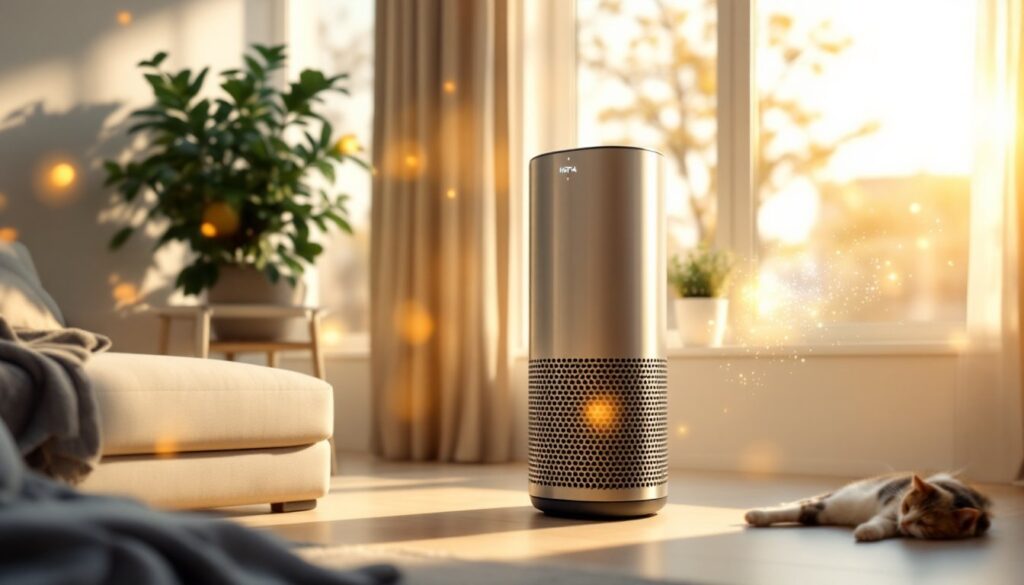

If you’ve noticed dust settling on shelves faster than you’d like or you’re dealing with pet dander and seasonal allergies, a quality home air purifier might be exactly what you need. Unlike fancy marketing claims, a genuinely good air purifier works quietly in the background, pulling particulates and contaminants from your indoor air without demanding constant attention. Whether you’re upgrading a single bedroom or handling whole-home filtration, understanding what separates top-rated models from mediocre ones saves money and frustration. This guide walks you through the essential features, selection criteria, and maintenance routines that keep your air cleaner and your system running efficiently.
Table of Contents
ToggleKey Takeaways
- A top-rated home air purifier should combine multiple filtration stages—true HEPA filters, prefilters, and activated carbon—to effectively remove dust, pollen, pet dander, and VOCs.
- Air Changes per Hour (ACH) is the critical metric that determines real-world performance; the CDC recommends at least 4 ACH for most spaces, calculable from the purifier’s CADR and room volume.
- Proper placement away from walls and furniture, along with monthly prefilter checks and timely filter replacements, are essential maintenance habits that keep your home air purifier operating efficiently.
- Calculate the true cost of ownership by factoring in replacement filter expenses—some units cost $200+ annually—before selecting a model to ensure long-term affordability.
- Third-party certifications like AHAM Verified testing and Clean Air Delivery Rate (CADR) claims provide reliable confirmation of performance beyond marketing language.
What Makes a Great Home Air Purifier
A top-rated home air purifier does one job exceptionally well: it removes a wide spectrum of airborne contaminants, dust, pollen, pet dander, mold spores, and volatile organic compounds (VOCs), without creating noise or energy headaches. The difference between a great purifier and an average one often boils down to filtration technology, air circulation efficiency, and user experience.
The best purifiers combine multiple filtering stages rather than relying on a single filter. True HEPA filters (High-Efficiency Particulate Air) capture 99.97% of particles 0.3 microns or larger, which covers most common allergens and irritants. But HEPA alone isn’t enough, prefilters catch larger dust and hair before they clog the main filter, while activated carbon layers absorb odors and chemical gases.
Rating and certification matter too. Look for purifiers tested and rated by third-party organizations. Many top models undergo AHAM Verified testing, which independently confirms Clean Air Delivery Rate (CADR) claims. A unit that claims high CADR but sits in a corner doing nothing for you isn’t actually purifying your air effectively. The fan design, motor durability, and ability to exchange air throughout a room multiple times per hour determine real-world performance.
Key Features to Look for When Choosing an Air Purifier
HEPA Filtration and Multi-Stage Filtering
A HEPA filter is non-negotiable if allergies or respiratory sensitivities are your concern. Not all HEPA filters are identical, true HEPA (as opposed to “HEPA-type”) filters meet strict government standards and capture ultrafine particles. Check the product specs carefully: genuine HEPA filtration costs more but delivers measurable results. Many respected manufacturers provide third-party test results showing actual particle capture rates.
Multi-stage filtration extends beyond just HEPA. A prefilter captures larger debris and extends HEPA life. An activated carbon filter tackles odors, cooking fumes, and some chemicals. Some premium models add UV-C or ionization stages, though these aren’t essential for most households. The trade-off is that more filter stages mean more frequent maintenance and higher replacement costs. Decide what contaminants matter most in your home before paying extra for features you won’t use.
Room Size Coverage and Air Changes per Hour
Room size coverage is printed on nearly every purifier box, but homeowners often misinterpret it. A unit rated for 500 square feet assumes optimal placement and unobstructed airflow, not a unit shoved in a corner behind the couch. Real-world performance drops if the room has poor air circulation or the purifier sits against a wall.
Air Changes per Hour (ACH) is the metric that tells the true story. ACH measures how many times the unit cycles all the air in a room through the filter per hour. The CDC recommends at least 4 ACH for most spaces: allergy sufferers or those with respiratory issues often benefit from 5 or more ACH. To calculate, divide the purifier’s CADR (in cubic feet per minute) by the room’s volume and multiply by 60. If math isn’t your thing, many manufacturer websites include ACH calculators. Products reviewed by organizations like Good Housekeeping and other trusted sources typically disclose this information upfront, saving you the detective work.
How to Select the Right Air Purifier for Your Home
Start by identifying your primary air quality problem. Allergies and pet dander call for strong HEPA filtration. Cooking odors or off-gassing from new furniture? Activated carbon is your priority. Mold concerns in damp basements? Look for units that handle moisture environments and include mold-fighting filter stages.
Measure your target room’s square footage and ceiling height, then calculate volume in cubic feet. This prevents oversizing (wasting electricity) or undersizing (ineffective purification). Don’t assume the manufacturer’s room-size claim applies to your situation, poor ventilation, closed doors, or unusual layouts reduce effective coverage.
Consider noise levels, especially for bedrooms. Many purifiers operate at 30-50 decibels on lower settings: some quality models stay quieter even on higher speeds. Check noise ratings in decibels (dB) rather than vague “whisper-quiet” marketing language. If you’re running the unit while sleeping, noise matters far more than having the absolute highest CADR.
Filter replacement costs add up fast. Examine the price of replacement filters and how often they need changing. Some units run three or more separate filters that require replacing annually, costing $200+ per year. Calculate the total cost of ownership before committing. Smart home integration, smartphone controls, filter-life alerts, scheduling, appeals to some users but isn’t essential for clean air. Resources like Tom’s Guide and Digital Trends often compare convenience features alongside performance metrics, helping you weigh what actually matters for your lifestyle.
Installation and Maintenance Tips
Most home air purifiers require zero installation, unbox, plug in, and start running. But, placement is critical. Position the unit away from walls, furniture, and vents that might block intake or cause recirculation of already-cleaned air. Ideally, place it in a central location or in the room where you spend the most time. Avoid corners and cluttered shelves that trap air instead of allowing it to flow freely through the unit.
Prep work and initial setup matter more than you’d think. Before turning on a new purifier, wipe down surfaces to remove settled dust that the unit will now circulate as it draws air. If the space is particularly dusty (newly renovated room, moving day, or post-construction cleanup), the prefilter will clog faster initially, this is normal and expected.
Filter maintenance is where lazy habits kill performance. Check the prefilter monthly: vacuum it gently or tap it over a trash can to dislodge dust. HEPA and carbon filters require full replacement according to the manufacturer’s schedule, usually annually for HEPA, sometimes more frequently for carbon in heavy-use settings. Ignoring replacement dates defeats the entire purpose: a clogged filter can’t purify and actually forces the motor to work harder, wasting energy and reducing lifespan.
Clean the unit’s exterior and air intake vents quarterly. Use a slightly damp cloth to wipe surfaces and a soft brush or old toothbrush to clear dust from vents. Most units don’t require special tools or technical know-how, basic upkeep keeps everything running smoothly. Keep receipts for filter purchases: some health insurance plans or employer wellness programs reimburse air purifier costs, especially if allergies are documented.
Conclusion
Choosing a top-rated home air purifier comes down to matching the unit’s capabilities to your specific needs and space. Verify HEPA filtration, calculate actual Air Changes per Hour, and don’t ignore filter replacement costs. Proper placement and consistent maintenance transform a good purifier into an asset that genuinely improves indoor air quality. With the right model and realistic expectations, you’ll notice clearer air and fewer dust-related annoyances within days.